Japanese Storage Principles — Mottainai, Ma, and What Western Minimalism Misses
Japanese storage and organization principles. Mottainai, ma (negative space), and how Japanese minimalism differs from Western practice.
The “Marie Kondo” wave introduced Japanese-influenced minimalism to Western audiences but often missed the deeper philosophical foundations. Concepts like mottainai (regret for waste), ma (negative space), and wabi-sabi (imperfection) shape Japanese minimalism in ways that “own less stuff” doesn’t capture. This article walks through the actual Japanese principles and how they apply to modern living spaces.
The TL;DR: Japanese minimalism isn’t primarily about owning less — it’s about appropriate spacing, respect for items, mindful curation. Ma (negative space) is positive design. Mottainai grounds decluttering in respect rather than rejection. Wabi-sabi celebrates imperfection. These principles reshape the typical “minimalism” conversation.
For complementary content, see KonMari method 2024.
Mottainai — respect for things
The Japanese concept “mottainai” (もったいない) translates approximately to “what a waste” but carries fuller cultural weight:
- Material waste — discarding usable things
- Time waste — leaving capacity unused
- Potential waste — not honoring an item’s full purpose
- Emotional resonance — regret at unmet potential
Why mottainai matters in minimalism
Marie Kondo’s well-known “thank items before discarding” practice traces back to mottainai. The thanking acknowledges:
- The item served its purpose
- You appreciate that service
- You release it intentionally rather than carelessly
This isn’t sentimentality — it’s mindful release.
Practical applications
Before donating clothes:
- Acknowledge what they did for you
- Donate to specific causes when possible
- Don’t dump in trash — find next-purpose (consignment, donation, textile recycling)
Replacing older items:
- Maintain rather than replace (mending, repair)
- Buy quality that lasts (avoiding the cheap-replace cycle)
- Pass items down or donate when transitioning
Buying decisions:
- Will I actually use this fully?
- Is this serving real need or filling momentary want?
- What happens to it eventually?
Mottainai vs hoarding
Mottainai isn’t keeping everything “just in case.” That’s hoarding — also wasteful (of space, of attention). True mottainai means:
- Use what you have to its fullest
- Release things at their natural conclusion
- Choose new items that you’ll use deeply
The waste of an item sitting unused for 10 years is also mottainai.

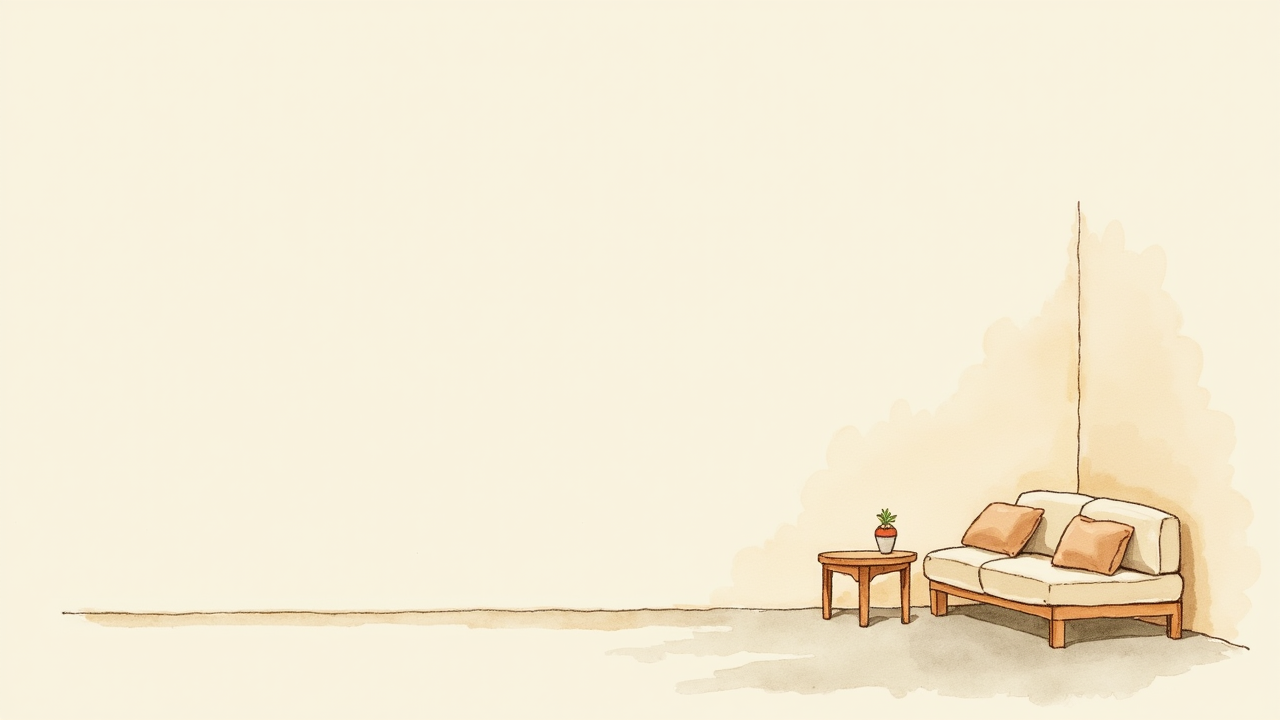
Ma — the positive empty space
Ma (間) is one of the most distinctive Japanese aesthetic concepts. The kanji combines “gate” (門) and “moon” (月) — moon seen through a gate. Pure ma is the moonlight passing through the empty space.
What ma means
- The space between things
- The pause between sounds
- The gap before the next gesture
- Negative space as positive design element
How ma applies to interiors
Traditional Japanese rooms:
- Sparse furnishing (often just a low table, futon stored away during day)
- Tatami mats define the floor without dividing
- Sliding doors (shoji) create ma between rooms
- Tokonoma alcove with single seasonal flower or scroll — focal point with surrounding emptiness
Western interpretation:
- Don’t fill every wall with art
- Space between furniture pieces matters
- Open floor areas are valuable, not “wasted”
- Negative space frames important objects (vase, plant, view)
Why this differs from Western minimalism
Western minimalism: “I removed 80% of my stuff.” Ma-aware minimalism: “I arranged what remains so that empty space is meaningful.”
A room with 5 items badly arranged feels cluttered. A room with 12 items arranged with intentional negative space feels serene.
Practical examples
- Wall art: 1 large piece with surrounding wall space > 5 small pieces filling the wall
- Bookshelves: fully-packed feels heavy; partial fills with breathing room feels intentional
- Coffee tables: 2-3 objects with space around > many objects crowded together
- Surfaces: leave 30-50% of surfaces empty as resting space
Wabi-sabi — beauty in imperfection
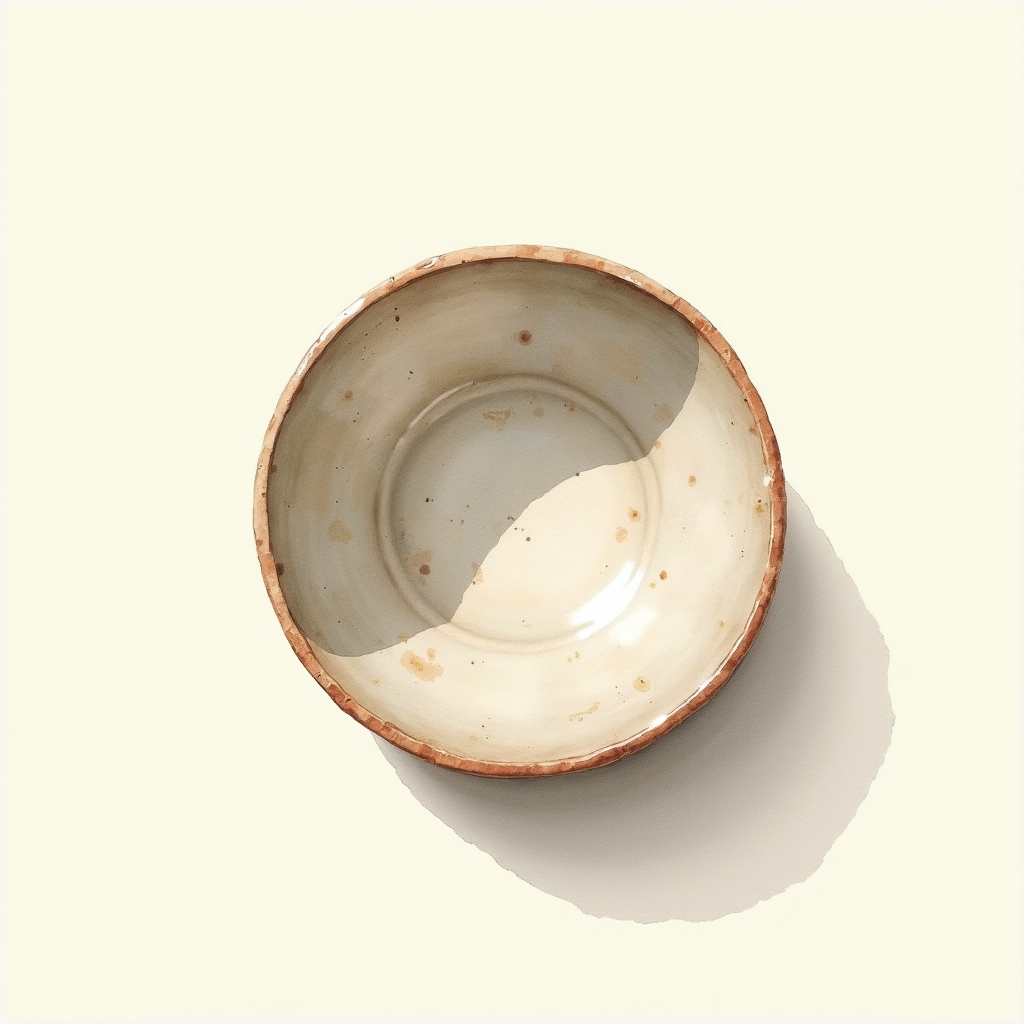
Wabi-sabi (侘寂) is the aesthetic of impermanence and imperfection.
Core principles
- Asymmetry > perfect symmetry
- Roughness > polish
- Simplicity > ornamentation
- Modesty > grandeur
- Intimacy > spectacle
- Earthy materials > artificial
- Aging > newness
Wabi-sabi vs Muji minimalism
These are both “Japanese minimalism” but quite different:
Muji aesthetic:
- Smooth, perfect, anonymous
- Mass-produced
- Clean white/beige
- Functional minimum
- Contemporary
Wabi-sabi aesthetic:
- Rough, irregular, particular
- Hand-made or aged
- Earth tones, natural patina
- Imperfect surfaces celebrated
- Traditional/timeless
A wabi-sabi home might have:
- An old, worn wooden table
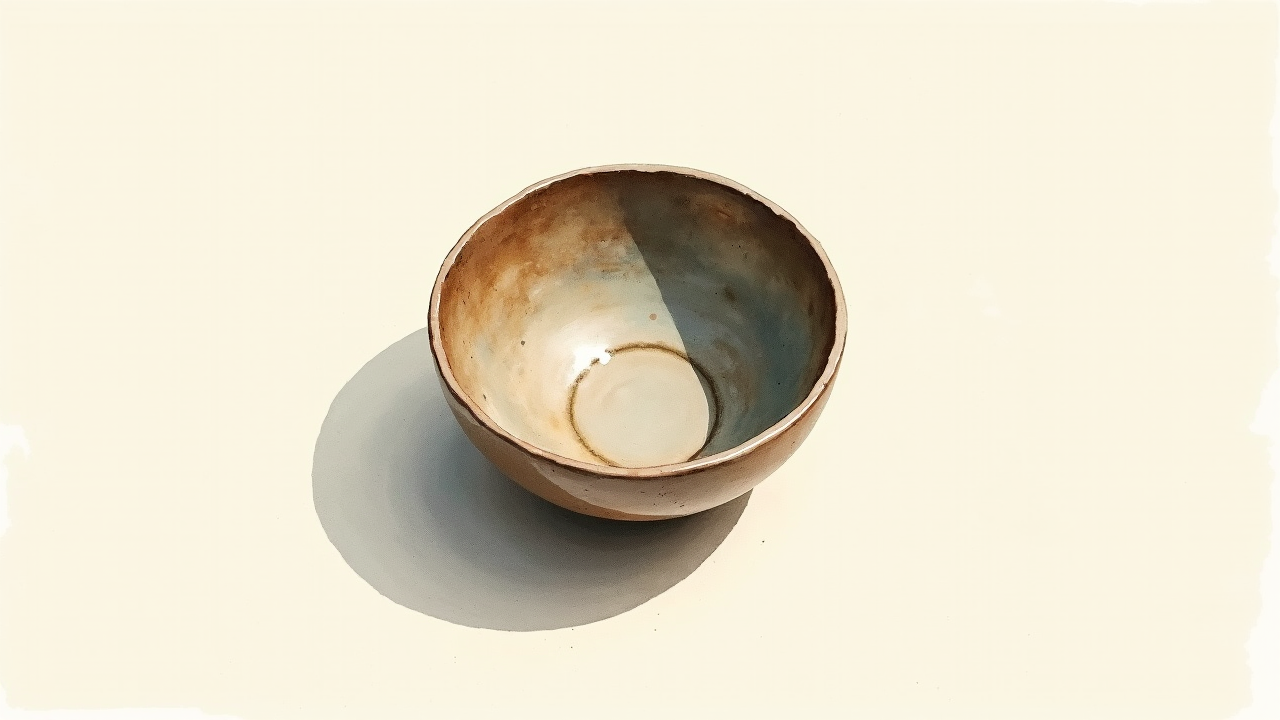
- Handmade ceramic with kiln marks
- Linen throws with creases
- Plants in unmatched terracotta pots
- Stones, branches, asymmetric arrangements
A Muji home might have:
- New blonde wood
- White ceramic in matched sets
- Unwrinkled linen (impossible)
- Same-style pots
- Geometric arrangements
Both are valid Japanese-influenced aesthetics. They represent different sensibilities.

Practical applications for Western homes
Storage as ma
Japanese-influenced storage isn’t about hiding everything (Western “clean lines” approach) — it’s about creating breathing space:
- Open shelves with negative space between items — each item has room
- Closed storage for things that don’t need display — clears visual field
- Fewer items intentionally arranged > many items “organized”
- Allow some surfaces to remain empty as resting points
Materials over things
Japanese aesthetic preferences:
- Natural wood, paper, ceramics, stone, linen
- Avoid: high-gloss plastic, bright synthetic colors, mass-produced uniformity
- Choose materials that age well (warm patina, soften with use)
Rotation by season
Tokonoma (Japanese alcove) tradition: a single seasonal element changed throughout the year. Western application:
- One special vase/object that changes by season (cherry blossoms spring, dried grasses fall)
- Seasonal rotation of textiles (heavy textures winter, lighter summer)
- Don’t try to display everything year-round
Less variety, more depth
Japanese aesthetic often values:
- 3 great ceramics over 30 mediocre ones
- One quality knife rather than a 12-piece set
- Single statement chair rather than matching set
The depth (engagement with each item) matters more than collection breadth.
Where to display vs hide
Display (visible) items that:
- Are used daily (functional + beautiful)
- You’re emotionally connected to
- Add to room’s character
Hide (closed storage) items that:
- Are utilitarian without aesthetic contribution
- Clutter the visual field
- Are used occasionally
Most “messy” rooms are messy not from too much stuff, but from too much visible stuff.
Application to specific spaces
Genkan (entry)
Japanese homes have a defined entry zone (genkan) where shoes are removed and outdoor things shed.
Western application:
- Designated entry area, even in apartments
- Shoes off (huge cleanliness benefit)
- Hooks or shelf for daily items (keys, bag, mail)
- Limit what crosses into living areas
Living room
- Low furniture creates calmer feel
- Sufficient negative space — sofa doesn’t fill room
- One or two displayed objects with intention
- Plants for living elements
Kitchen
- Knives and tools displayed (used daily, beautiful)
- Spices and dry goods in containers (consistency reduces visual noise)
- Counter mostly clear (not stocked with appliances)
- Quality cookware that gets used
Bathroom
- Toiletries in matching containers (one less visual noise factor)
- Towels in similar tone (visual consistency)
- One plant for life
- Closed storage for utilitarian items
Bedroom
- Bed properly made daily — focal calm point
- Minimal nightstand items (lamp, book, glass of water)
- One or two pieces of art with surrounding wall space
- Closed closet (visual quietness)
Office / workspace
- Clear desk except current work
- Plants or single object for visual rest
- Storage out of sight when possible
- Focus on quality items used daily

What Japanese minimalism is not
Several common misconceptions:
Not “all white everything”
Western interpretation often defaults to all-white, all-grey aesthetic. Japanese tradition is much more diverse:
- Earthy tones (browns, muted greens, blacks)
- Natural materials (wood grain, stone, linen texture)
- Wabi-sabi celebrates aging colors
Not “stark and cold”
Japanese homes often warm and lived-in despite minimal aesthetic:
- Natural wood softens
- Textiles add warmth
- Plants and natural light
- Family use creates patina
Not “Marie Kondo’s only method”
KonMari is one specific approach. Other Japanese organization traditions:
- Danshari (断捨離) — refuse, dispose, separate
- Mottainai-grounded reduction
- Traditional Japanese household management
- Buddhist-influenced detachment
KonMari brought Japanese-influenced minimalism to Western awareness but isn’t the entire tradition.
Not “Instagram aesthetic”
Real Japanese minimalist homes don’t necessarily look photogenic in a “minimalism Instagram” way. Real homes have:
- Daily-use items visible
- Family photos and personal touches
- Some clutter (real life)
- Aging materials
The aesthetic is about relationship with things, not perfect-photo arrangement.
Combining traditions
Most modern Western minimalists naturally mix traditions:
Japanese principles useful to add:
- Mottainai (respect/release)
- Ma (negative space)
- Wabi-sabi (imperfection)
- Genkan (entry boundary)
Other traditions worth incorporating:
- Hygge (Danish) for warmth and coziness
- Lagom (Swedish) for balance
- Minimalism (Western) for quantity awareness
The combination is yours to construct.
Common Western mistakes
Treating minimalism as goal
“Become minimalist” as identity. Japanese tradition treats it as practice — ongoing relationship with things, not finished state.
Performing minimalism for Instagram
Photogenic emptiness ≠ functional living. Real lives have texture and stuff that’s actually used.
Discarding without respect
Throwing things in trash without acknowledgment = mottainai violation. Donate, sell, gift, recycle.
Ignoring beautiful imperfection
Replacing chipped ceramic with new, “perfect” set misses the wabi-sabi value. Old things can be more beautiful than new.
Filling negative space
Empty wall feels “wrong” — must add art. Empty corner needs plant. Resist this. Some negative space is the point.

Bottom line
Japanese minimalism principles worth adopting:
- Mottainai — release items with respect, use what you have fully
- Ma — negative space as positive design element, not void to fill
- Wabi-sabi — embrace imperfection, aging, natural materials
- Genkan — clear entry boundary between outside and inside
- Tokonoma rotation — single seasonal focus rather than year-round all-display
- Quality over collection — fewer items engaged with deeply
These principles reshape minimalism from “own less” to “relate well to what you own with appropriate space around it.”
For complementary content, see KonMari method 2024 and capsule wardrobe data.