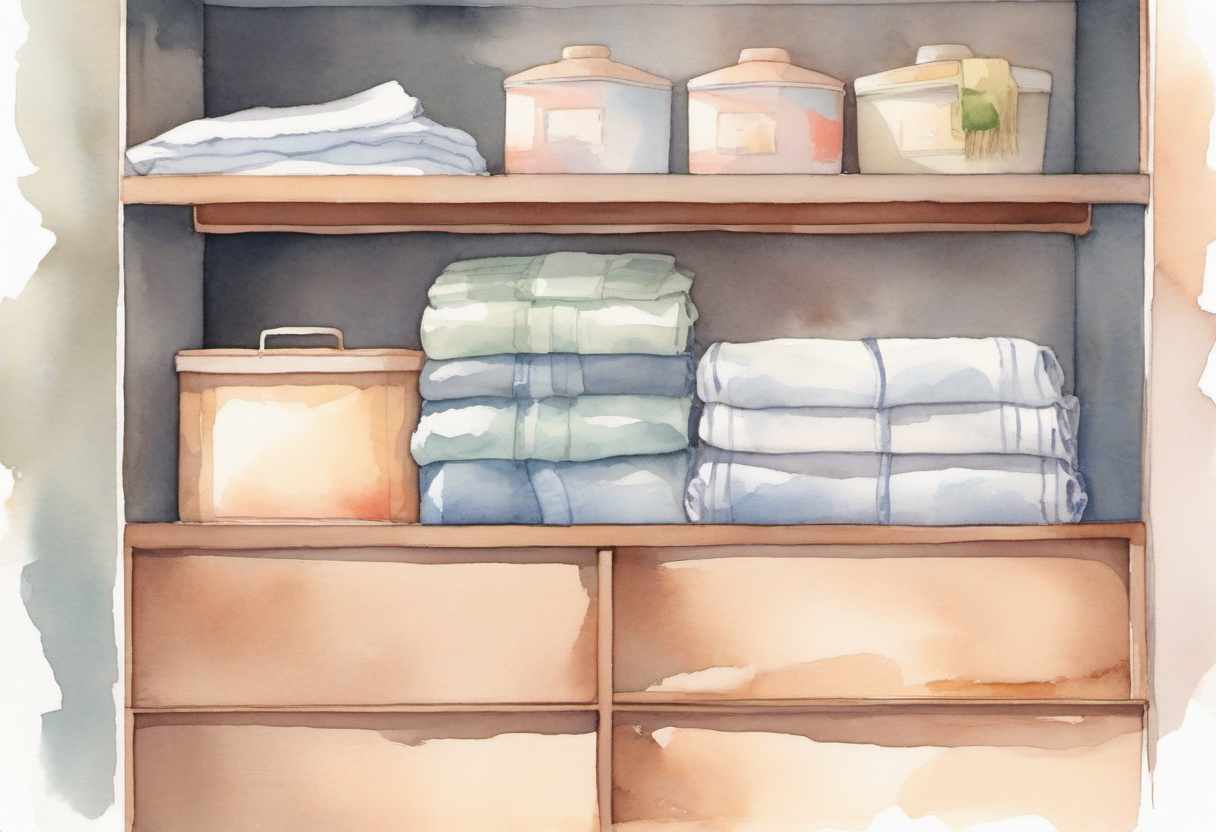
こんまりメソッド最新版:日本の住まいで実践する片づけ順序
衣類・本・書類・小物・思い出品の順に、日本の生活動線へ合わせる実践版。
この記事では「こんまりメソッド最新版:日本の住まいで実践する片づけ順序」を、日本の住宅事情で実際に使える形に落とし込みます。海外のミニマリズム記事は広い家や車移動を前提にしがちですが、日本では玄関が狭い、収納が浅い、湿気が多い、自治体の分別が細かい、家族の生活時間がずれる、といった条件が結果を大きく変えます。だからこそ大切なのは、物を減らすことそのものではなく、毎日の動線に合う量と住所を決めることです。カテゴリー別、一気に集める、残す物を選ぶという順番を日本の家族暮らしに適用する。
目標は「見た目だけ整った部屋」ではありません。忙しい平日の夜でも元に戻せること、買い物の失敗が減ること、季節替えで崩れないこと、家族が説明なしで使えること。この四つを満たすと、片づけはイベントではなく生活の標準になります。
まず決める基準
最初に決めるべきなのは、理想の写真ではなく「戻せる基準」です。日本の家では収納面積が限られ、押し入れ、クローゼット、洗面台下、玄関収納の形も物件ごとに違います。そこで、次の三つを測ってから判断します。第一に、毎日使う物が何歩以内に戻せるか。第二に、扉や引き出しを開けたとき一動作で取れるか。第三に、雨の日、花粉の季節、来客前、体調が悪い日でも同じ手順で片づくか。
数を減らすだけでは長続きしません。使う頻度が高い物ほど腰から目線の高さに置き、月に一度以下の物は上段や奥へ移します。見た目の統一は最後で構いません。先に「使う、戻す、補充する、捨てる」の流れを作ると、収納用品を買い足す量も自然に減ります。
日本の暮らしで失敗しやすい点
失敗の多くは、海外の広い収納を前提にしたルールをそのまま真似することで起きます。たとえば大型ボックスを増やすと一時的には隠せますが、奥の物が見えず重複買いが増えます。反対に細かく分けすぎると、家族が戻せず数日で崩れます。日本の住まいでは、七割収納を上限にし、二割を日々の出入り、残り一割を季節変化の余白として残すのが現実的です。
もう一つの落とし穴は、捨てる判断を一日で終わらせようとすることです。自治体の分別日、粗大ごみ予約、リサイクルショップの持ち込み、フリマアプリの撮影など、手放すにも工程があります。判断、仮置き、排出を分けると心理的な負担が下がり、途中で部屋が荒れにくくなります。
実践ステップ
- 対象エリアを一つだけ選び、床や机の上に全部出します。
- 「毎日使う」「週一回使う」「季節で使う」「判断保留」に分けます。
- 毎日使う物だけ先に一等地へ戻します。
- 週一回以下の物は、ラベルよりも透明度と取り出しやすさを優先して収納します。
- 判断保留は紙袋や箱に日付を書き、三十日後に再確認します。
この順番を守ると、買い足しの前に余っている収納が見つかります。特に日本の家では、収納家具を増やすより、引き出し内部の仕切り、棚板の高さ、ハンガー本数の上限を整えるほうが効果的です。
選び方と寸法の見方
購入する場合は、商品名より寸法を見ます。幅、奥行き、高さだけでなく、扉や引き出しを開ける余白、畳や床を傷つけない脚の形、湿気がこもらない素材を確認します。日本の賃貸では原状回復も重要なので、壁に穴を開ける収納より、置くだけ、突っ張り、引き出し内で完結する方法を優先します。
安い物を大量に買うより、同じサイズを少数そろえる方が管理しやすくなります。色は白、半透明、木目、黒のいずれかに絞ると視覚ノイズが減ります。ただし見えない場所ではデザインより扱いやすさが優先です。洗える、軽い、買い足せる、廃棄しやすい。この四条件を満たす物は長く使えます。
維持するための週次チェック
週に一度、五分だけ見直します。増えた物、戻らなかった物、置き場所に迷った物を確認し、住所を変えるか量を減らします。ここで大掃除をしないことが大切です。小さく直すから続きます。月に一度は消耗品の在庫も確認し、二重買いを防ぎます。
家族で使う場所は、ラベルを細かく書くより「ここに戻す理由」が分かる配置にします。子どもや来客が使う物は低い位置、危険な物や薬は高い位置、毎日持ち出す物は玄関や洗面所の近くに置きます。生活動線と収納の距離が短くなるほど、散らかりは減ります。
日本Amazonで探すなら、用途を絞って選ぶ
以下は「これを買えば解決」ではなく、足りない役割を確認したうえで検討する候補です。日本のAmazonでは同じ名前でもサイズ、並行輸入、セット内容が違うことがあるため、購入前に寸法・素材・返品条件を確認してください。
近藤麻理恵『人生がときめく片づけの魔法』
価格帯 · 約¥1,500前後
+ 長所
- · Original KonMari method — category-not-room framework
- · Short (~200 pages) — finishable in a weekend
- · Best entry point before tackling the deeper workshop book
− 短所
- · Some readers find the personification of objects polarizing
- · Less detail than Spark Joy on specific categories
価格・在庫・評価は変動するため、購入前に詳細ページで再確認してください。
近藤麻理恵『イラストでときめく片づけの魔法』
価格帯 · 約¥2,250前後
+ 長所
- · Illustrated folding techniques for clothing categories
- · Concrete category-by-category checklist for full home reset
- · Better visual reference than Life-Changing Magic
− 短所
- · Some illustrations feel oriented toward Japanese apartment dimensions
- · Overlaps in core philosophy with the original book
価格・在庫・評価は変動するため、購入前に詳細ページで再確認してください。
近藤麻理恵『Joy at Work』
価格帯 · 約¥2,250前後
+ 長所
- · Extends KonMari from home to digital files, email, and tasks
- · Co-authored with an organizational behavior professor
- · Practical for remote-work clutter management
− 短所
- · Some readers find the work applications stretched thin
- · Digital decluttering chapters dated faster than physical ones
価格・在庫・評価は変動するため、購入前に詳細ページで再確認してください。
判断に迷ったときのルール
迷う物は、価値がないから迷うのではありません。思い出、価格、希少性、誰かにもらった背景があるから迷います。そこで「今の生活で使うか」「代替できるか」「保管コストに見合うか」の三問で判断します。三問すべてに明確に答えられない物は、すぐ捨てずに期限付き保留へ移します。期限を設けることで、感情と実用を切り分けられます。
まとめ
こんまりメソッド最新版:日本の住まいで実践する片づけ順序で大切なのは、特別な収納術を覚えることではなく、日本の住まいに合う小さな仕組みを作ることです。少ない物で暮らすとは、我慢することではありません。使う物がすぐ見つかり、戻す場所が自然に分かり、買い足す理由が明確になる状態です。
今日できる最初の一歩は、対象を一か所に絞り、毎日使う物だけを一等地に戻すことです。残りは急いで判断せず、期限付きで保留します。この順番なら、部屋を荒らさず、買い物を増やさず、暮らしの質を少しずつ上げられます。